Dear Brothers in Christ,
Please join us this coming [day/date] at [time] in the [location] for our next Catholic Men’s Fellowship meeting.
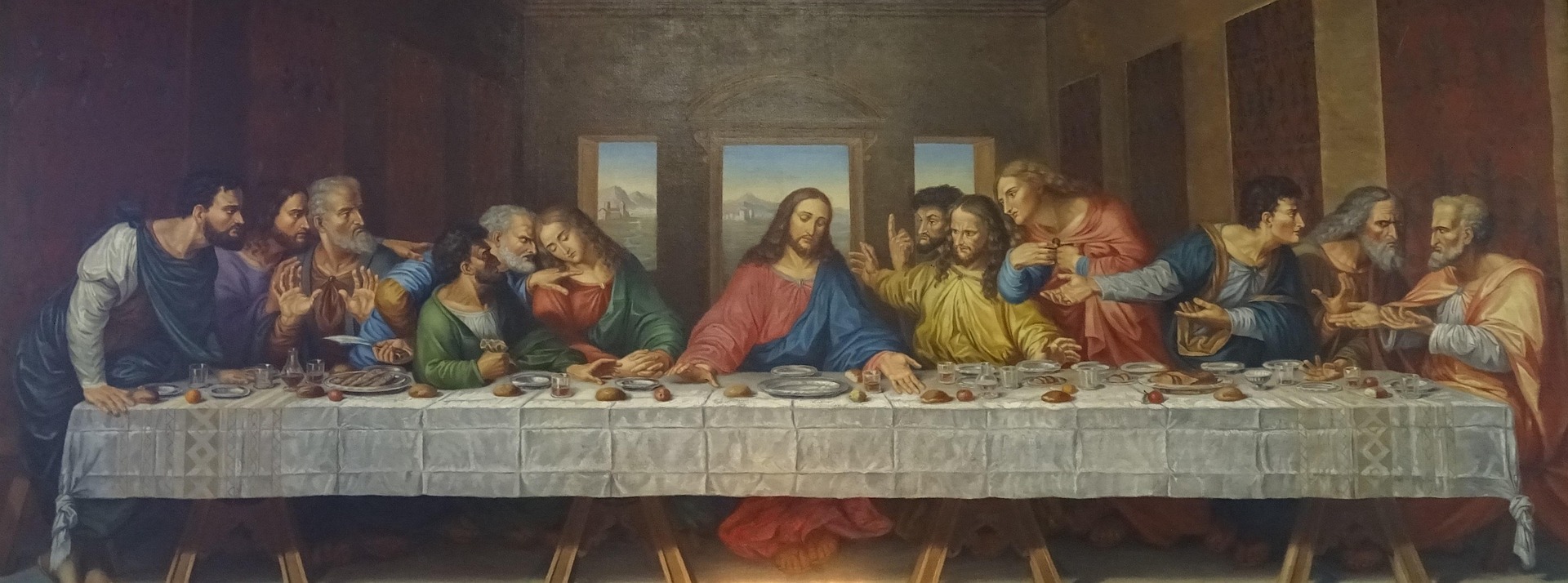
Brothers [leader names] will lead us in a discussion on The Stations of the Eucharist—exploring how God prepared His people throughout salvation history for the gift of Jesus in the Eucharist. The meeting will be based on the devotional book, The Stations of the Eucharist by Father Jonathan Meyer. We will focus on four important moments: Melchizedek, the Passover, the Last Supper, and the Wedding Feast of the Lamb.
Together, these passages help us see the Eucharist not as an isolated event, but as the fulfillment of God’s plan—a sacrifice, a sacred meal, Christ’s gift of Himself to us, and a foretaste of our ultimate destination with God.
In preparation, we invite you to reflect on the following Scripture passages:
Genesis 14: 18–20 — Melchizedek
Melchizedek, king and priest, brings out bread and wine and blesses Abraham. This mysterious encounter points forward to Christ, our eternal High Priest, and the Eucharistic offering of bread and wine.
Exodus 12: 1–14 — The Passover
God delivers Israel from slavery through the sacrifice of the Passover lamb. The blood of the lamb brings freedom and life, foreshadowing Jesus, the Lamb of God who delivers us from sin and death.
Luke 22: 14–20 — The Last Supper
Jesus takes bread and wine and declares, “This is my body, which will be given for you.” At the Last Supper, Christ gives Himself to His disciples and anticipates the sacrifice He will offer on the Cross.
Revelation 19: 6–9 — The Wedding Feast of the Lamb
Scripture’s story culminates in the Wedding Feast of the Lamb. Every Mass gives us a foretaste of this heavenly banquet and reminds us of our ultimate destination: eternal communion with God.
Questions for Reflection
- What do these four moments teach us about God’s plan for the Eucharist?
- What does it mean for us to be active participants at Mass rather than simply spectators?
- How does seeing Jesus as the true Passover Lamb deepen our understanding of His sacrifice for us?
- When Jesus says, “This is my body, given for you,” what does that mean to you personally?
- What can we intentionally bring to the altar—our work, families, struggles, gratitude, or sacrifices—and unite with Christ at Mass?
- How might remembering that the Eucharist is a foretaste of the Wedding Feast of the Lamb change the way we approach Mass and live during the week?
We look forward to seeing you there. Come and bring a friend!
God bless.
08222026